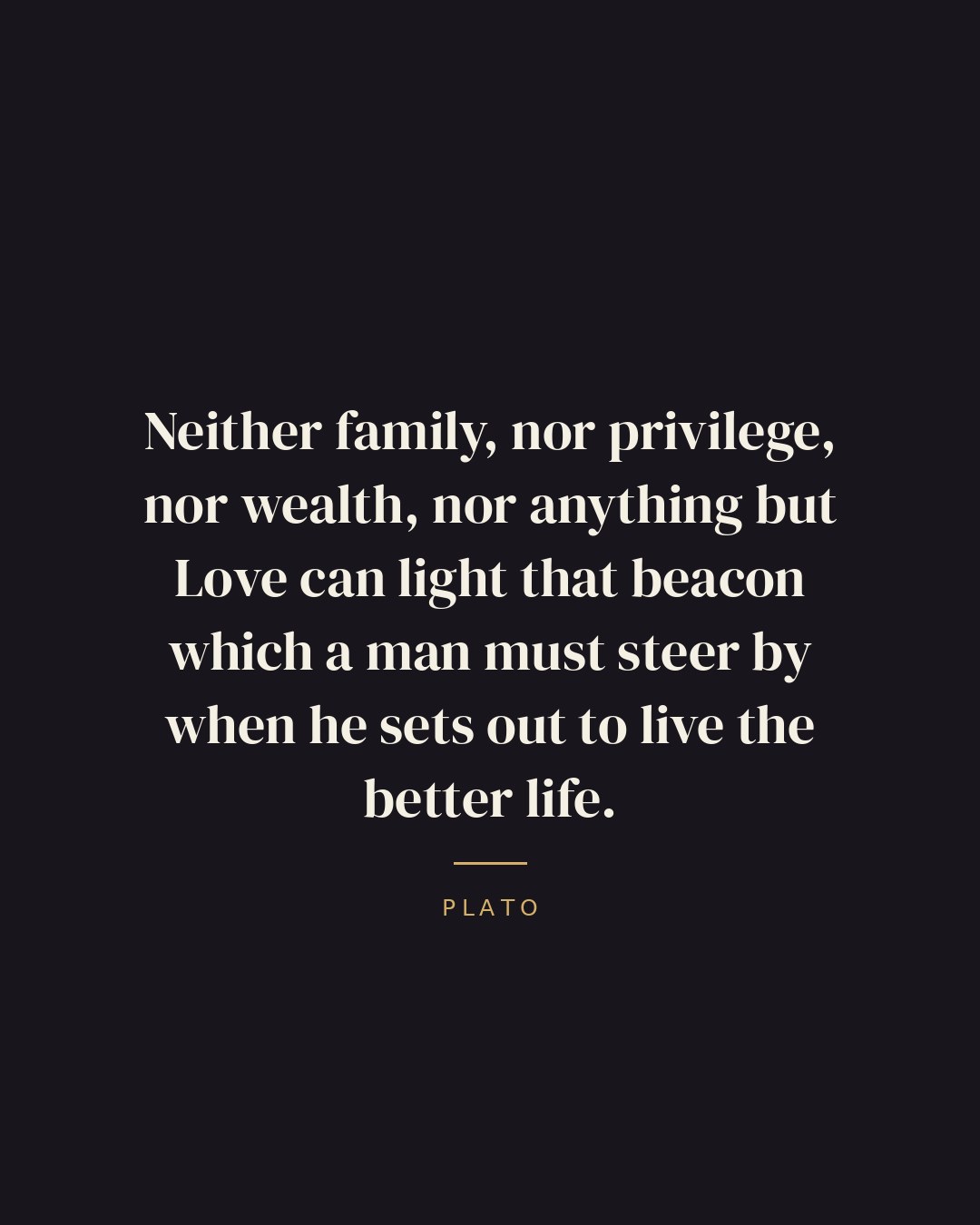
“Neither family, nor privilege, nor wealth, nor anything but Love can light that beacon which a man must steer by when he sets out to live the better life.”

— Plato · Love quote

Neither family, nor privilege, nor wealth, nor anything but Love can light that beacon which a man must steer by when he sets out to live the better life. — Plato quote card
Philosopher · 428 BCE – 348 BCE

Greek philosopher, student of Socrates and author of The Republic.

More quotes by Plato · Browse all quotes on QuotePlace

Source: Symposium (178c) · ✓ Source verified

More like this

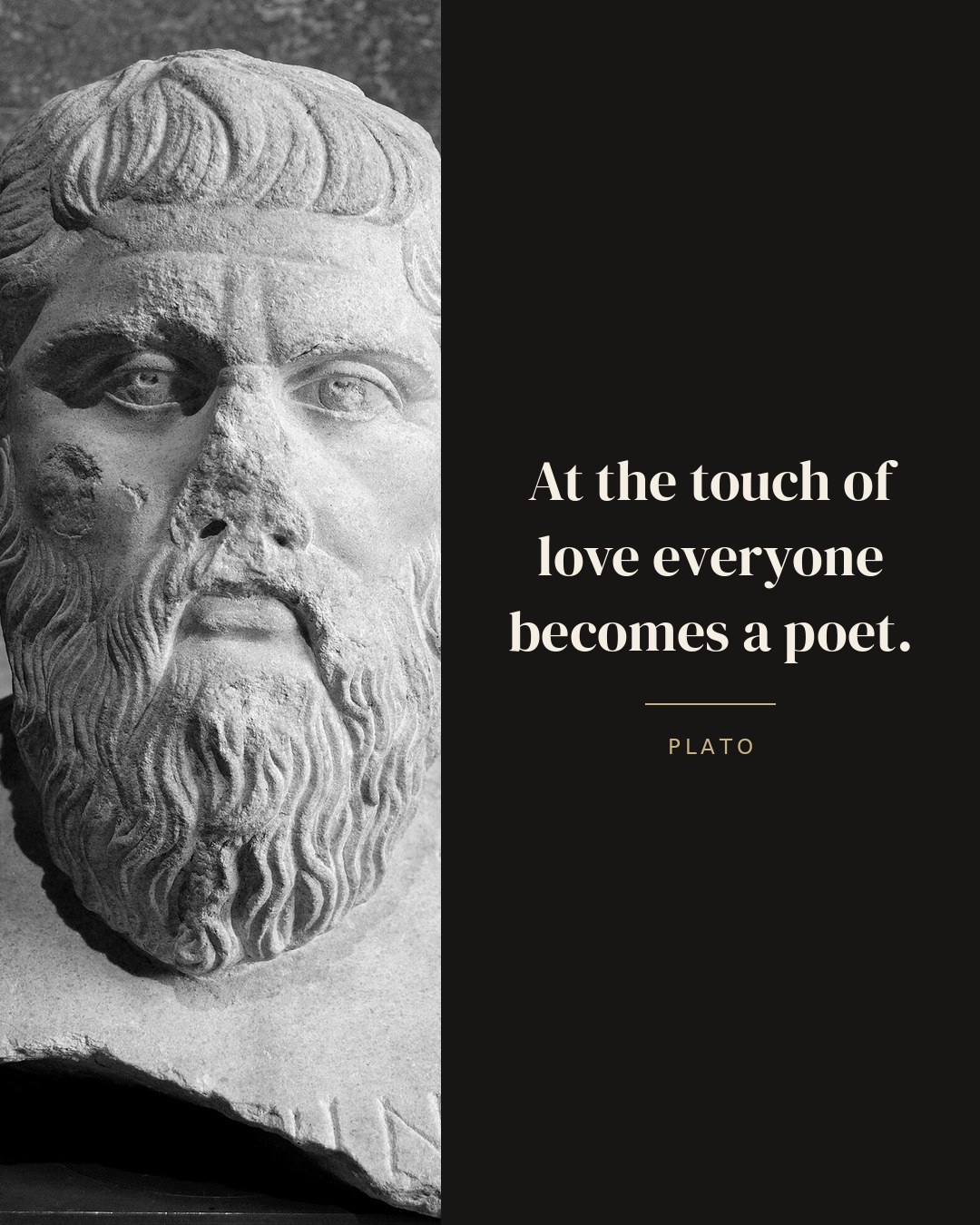
At the touch of love everyone becomes a poet. — Plato
At the touch of love everyone becomes a poet.
Plato
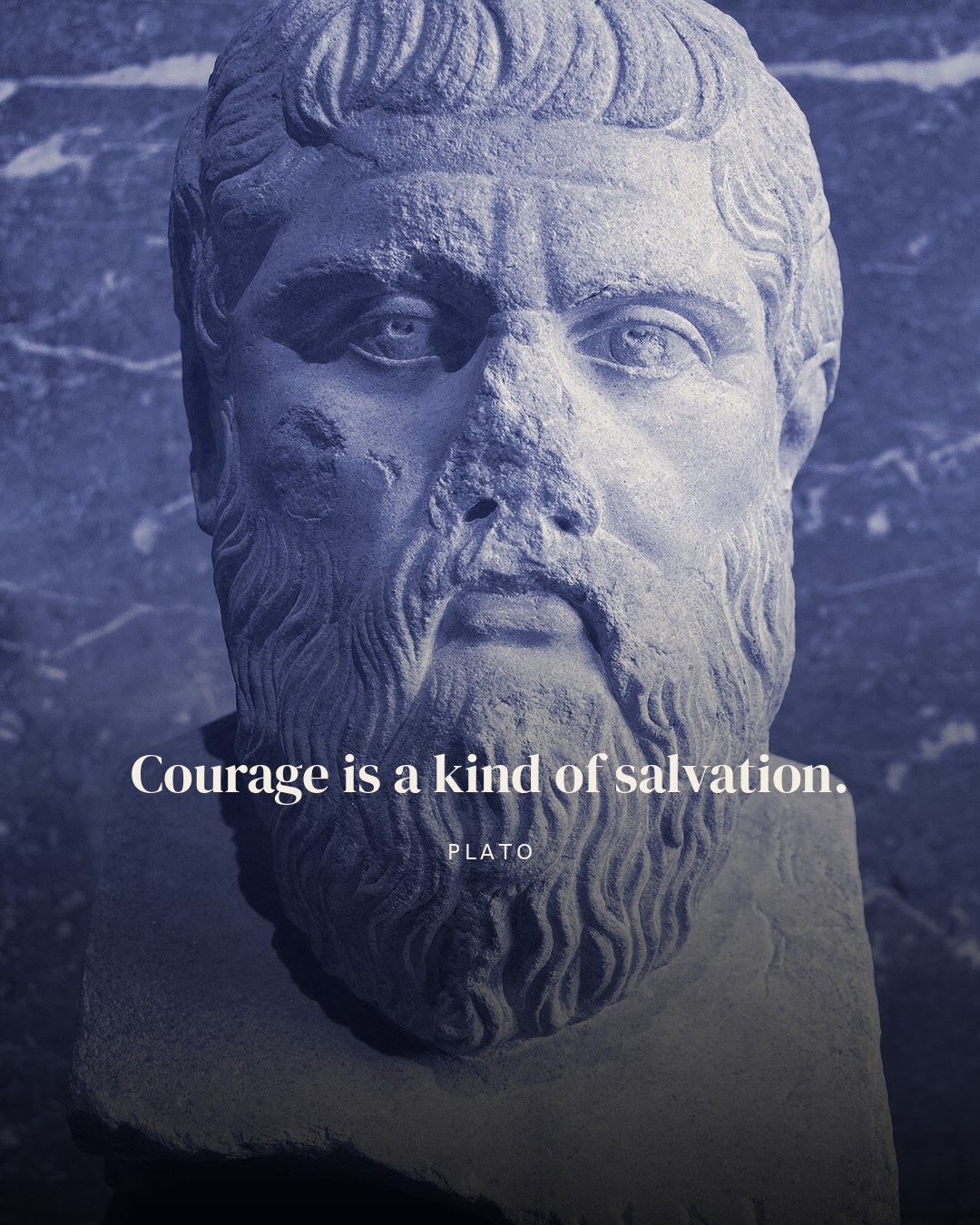
Courage is a kind of salvation. — Plato
Courage is a kind of salvation.
Plato
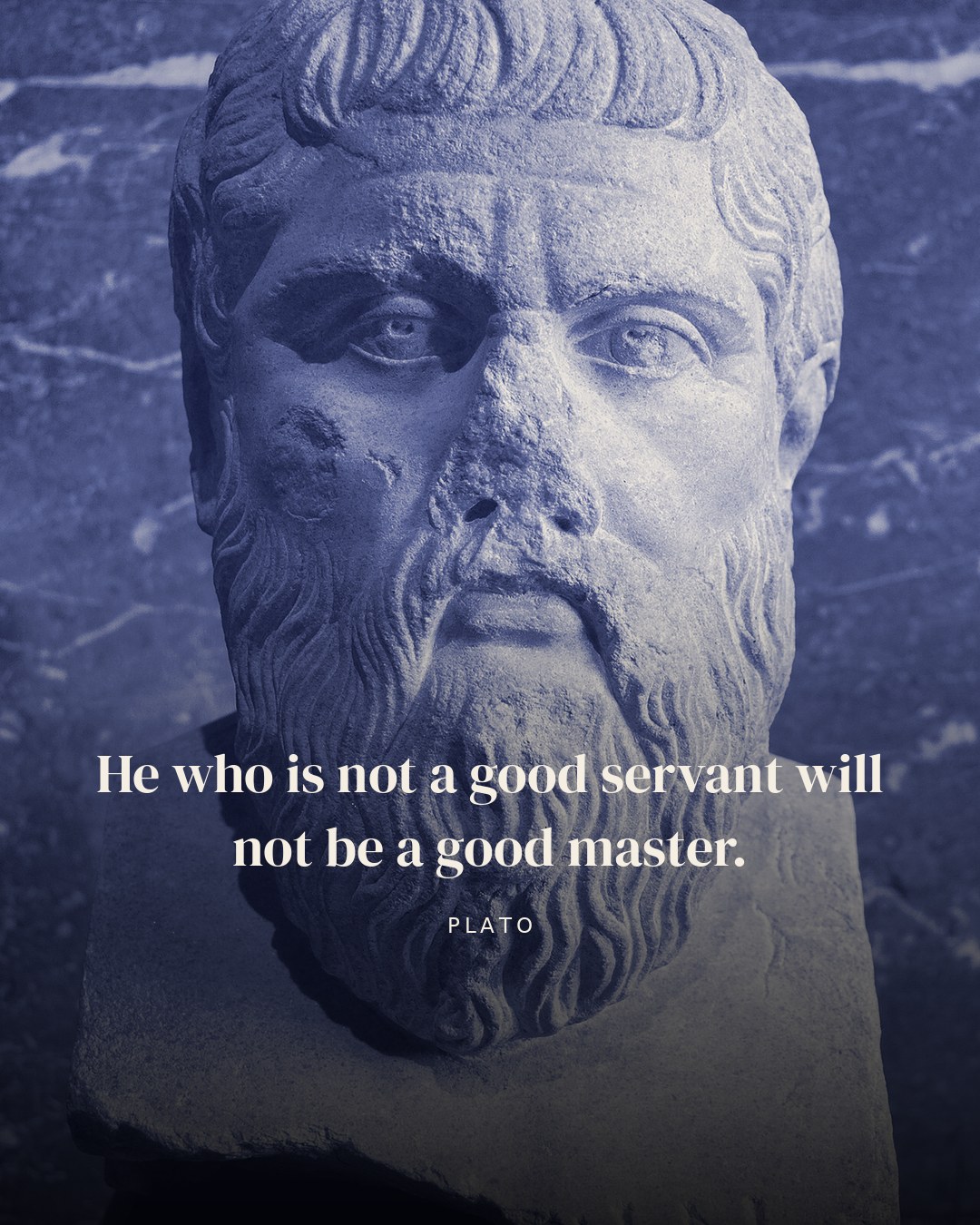
He who is not a good servant will not be a good master. — Plato
He who is not a good servant will not be a good master.
Plato
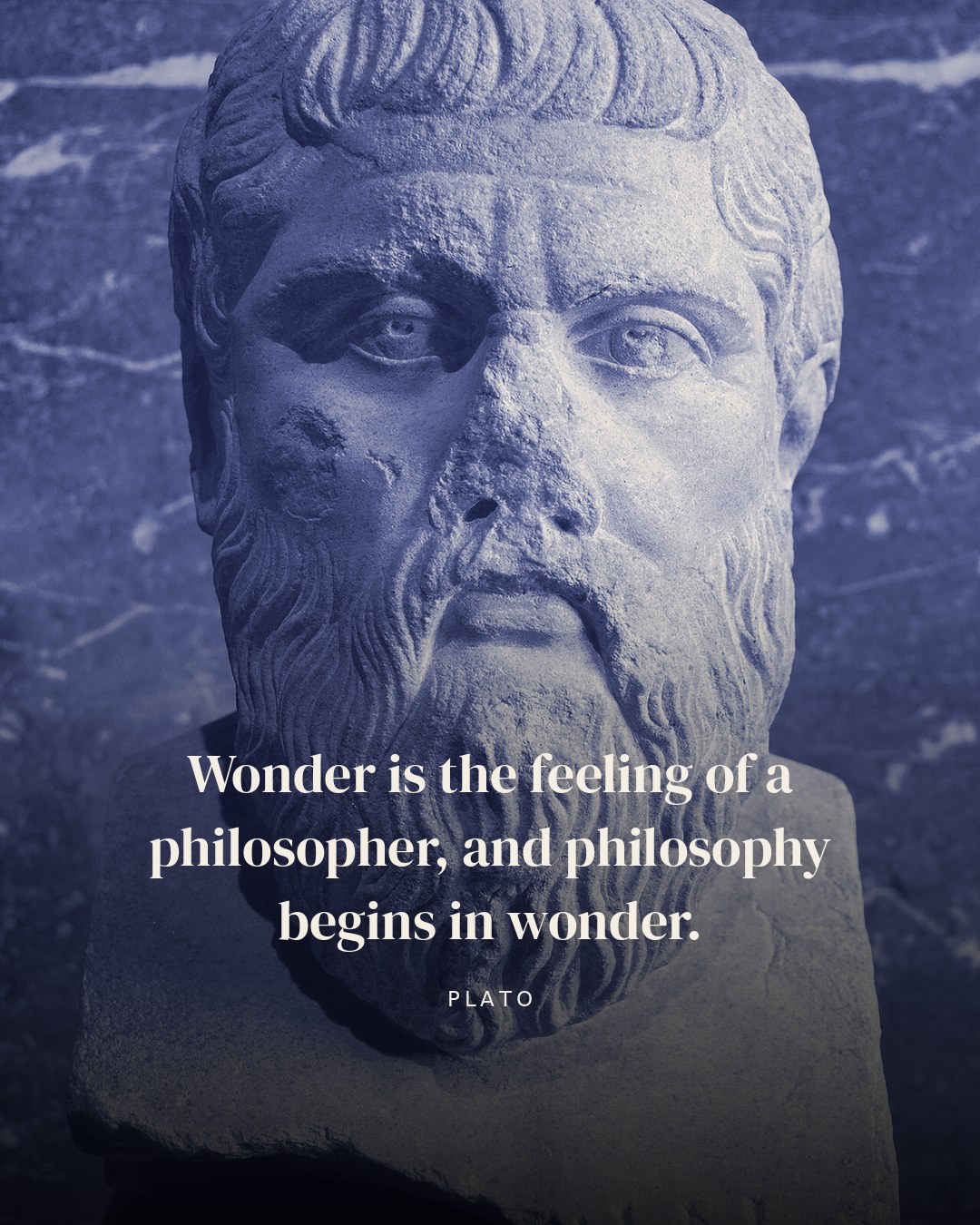
Wonder is the feeling of a philosopher, and philosophy begins in wonder. — Plato
Wonder is the feeling of a philosopher, and philosophy begins in wonder.
Plato
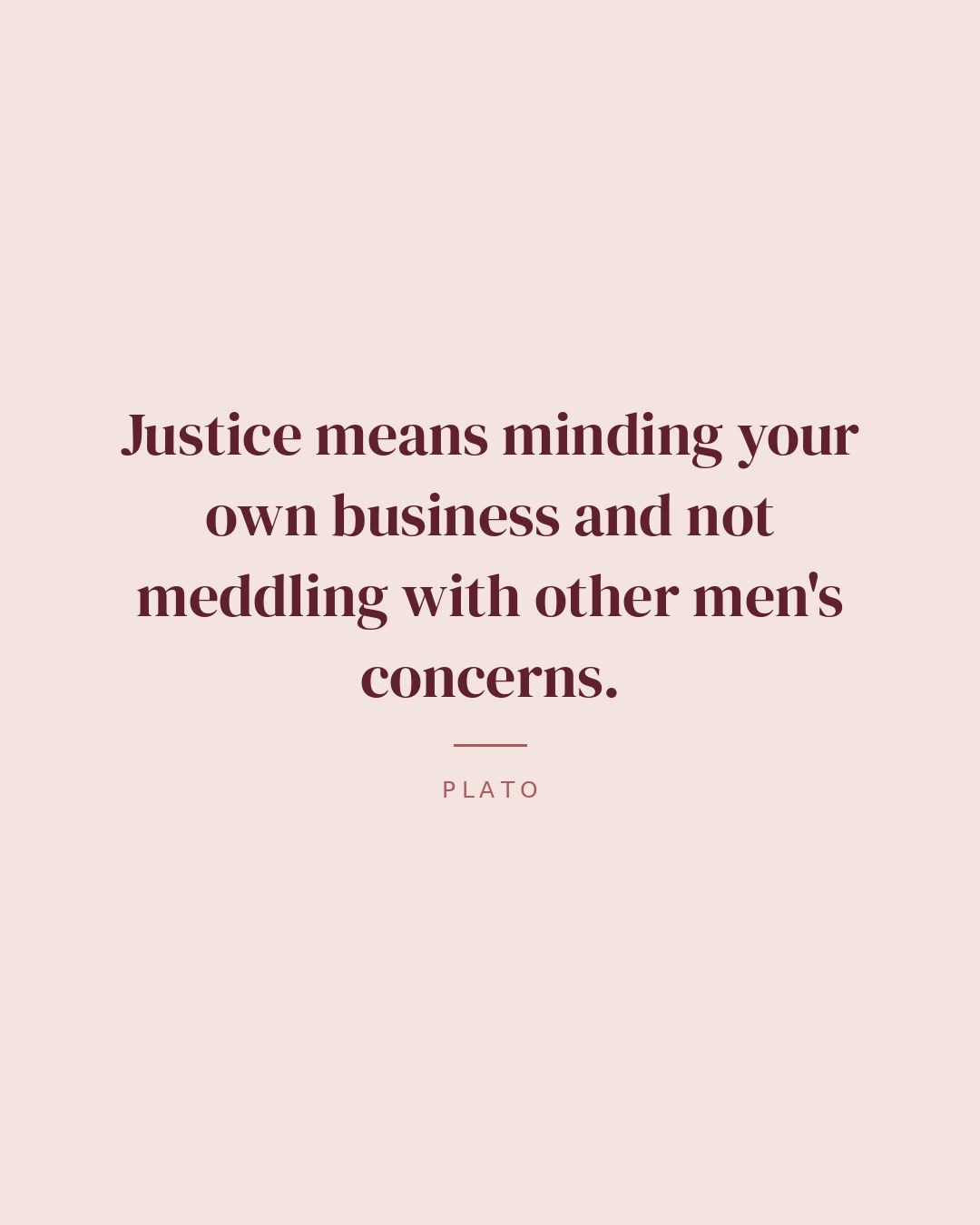
Justice means minding your own business and not meddling with other men's concerns. — Plato
Justice means minding your own business and not meddling with other men's concerns.
Plato
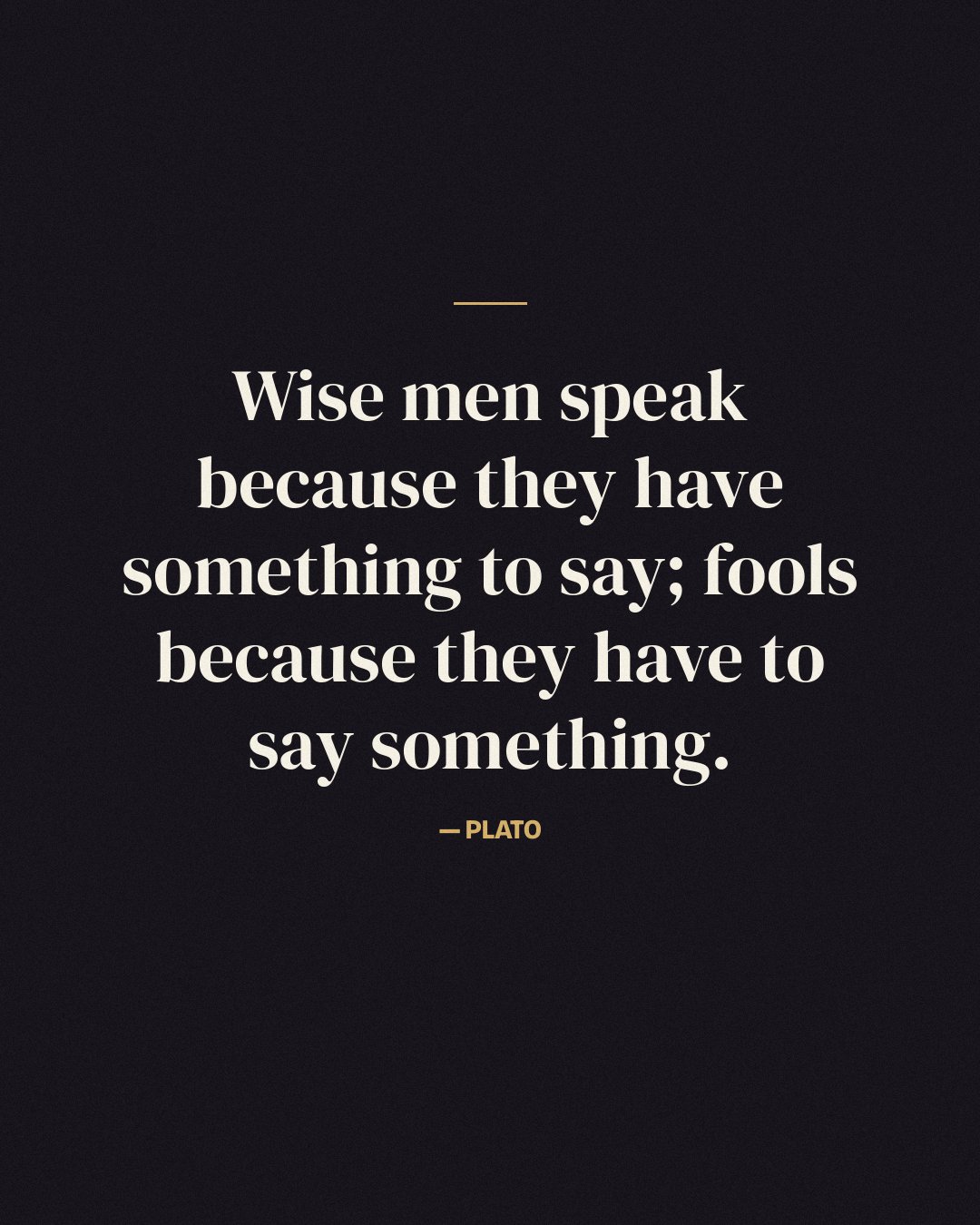
Wise men speak because they have something to say; fools because they have to say something. — Plato
Wise men speak because they have something to say; fools because they have to say something.
Plato
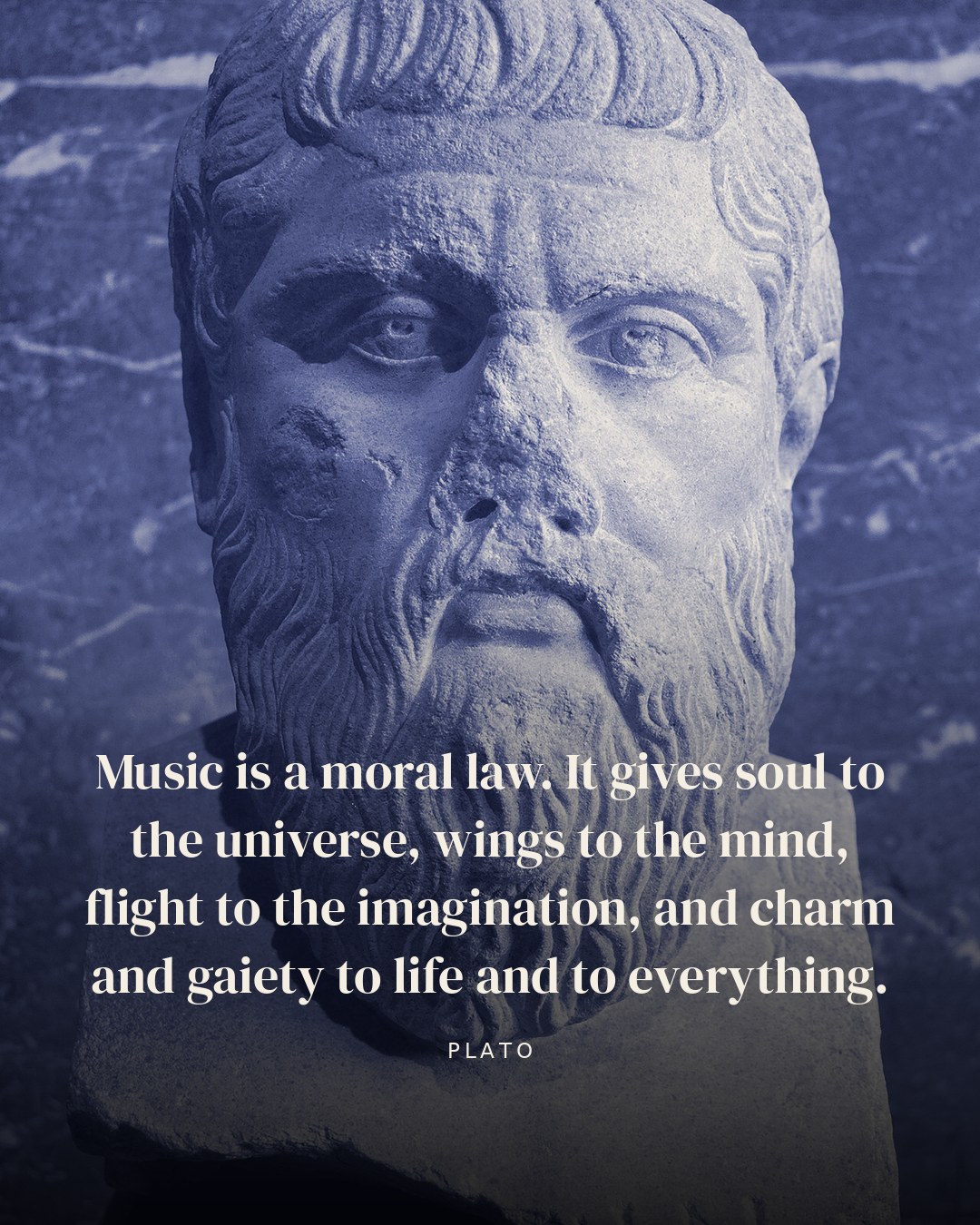
Music is a moral law. It gives soul to the universe, wings to the mind, flight to the imagination, and charm and gaiety to life and to everything. — Plato
Music is a moral law. It gives soul to the universe, wings to the mind, flight to the imagination, and charm and gaiety to life and to everything.
Plato
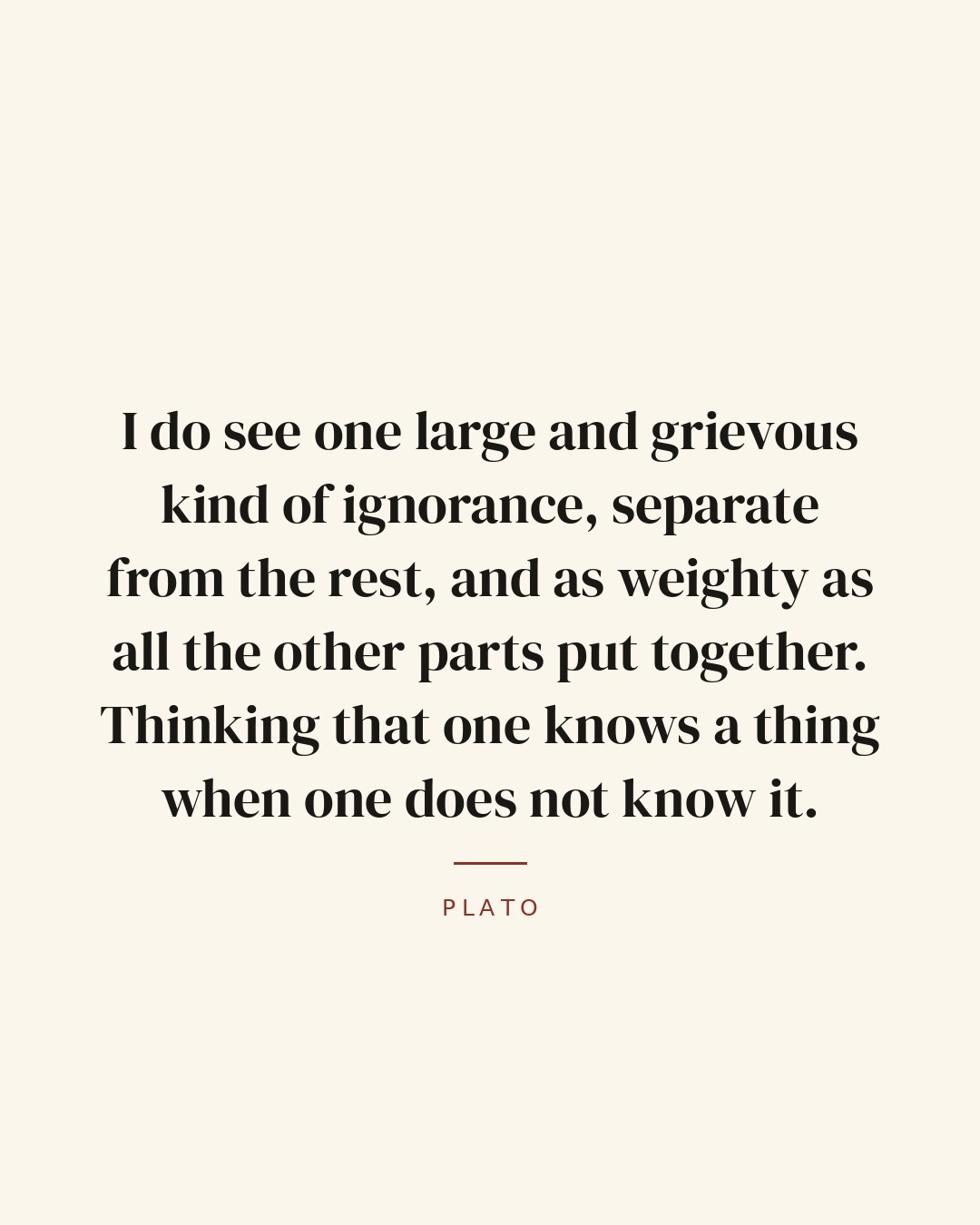
I do see one large and grievous kind of ignorance, separate from the rest, and as weighty as all the other parts put together. Thinking that one knows a thing when one does not know it. — Plato
I do see one large and grievous kind of ignorance, separate from the rest, and as weighty as all the other parts put together. Thinking that one knows a thing when one does not know it.
Plato